01
Built Only for Surgeons
Every plan follows how surgical patients research, what they fear and what your board or College allows you to say.
Most LASIK ads sell a price. The practices that grow sell a screening. We build ophthalmology marketing around the candidacy check, so your coordinators spend their day with people who can actually have surgery, and your ads stay on the right side of the FTC.
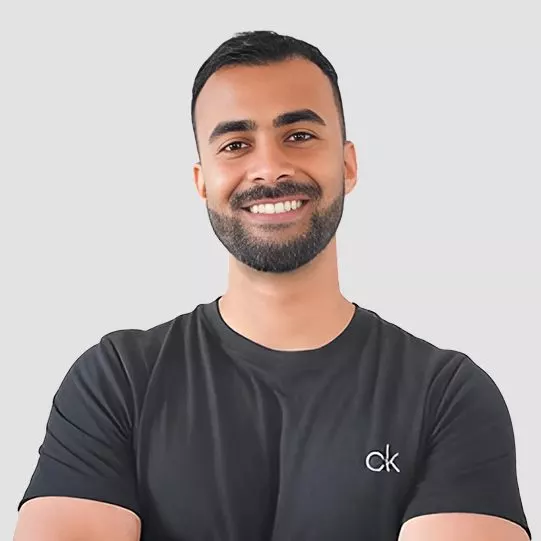 Your strategist: Laukik PatilFounder. Takes your first call.
Most agencies market dentists, med spas and plumbers in the same week. We only market surgeons, so your plan starts where theirs ends.
No long sales process. You see the problems first, then decide.
A short video review of your LASIK and cataract ads, procedure pages, candidacy funnel and lead follow-up, delivered in 2 business days.
Want to talk it through? Walk through the findings with Laukik and agree on a target number of booked consults. Prefer email? Just reply to the audit.
Website, Google profile, ads and follow-up get fixed in priority order, usually in weeks 3 to 10.
Inquiries, booked consults and cost per consult on one page, plus exactly what we're doing next.
Not happy in the first 30 days? We refund your first month's management fee and you're free to leave. Ad spend is paid to Google or Meta directly and isn't part of our fee.
While we work together, we won't take on a competing practice in your specialty in your city. Your strategy and your data stay yours.
No long lock-in. After the first 90 days you stay because it's working, not because a contract says so.
Reviewed by Laukik Patil, Founder of Marketing for SurgeonsUpdated October 2026LASIK marketing is how a refractive or cataract practice turns people who are tired of glasses and contacts into screened candidates sitting in a consult chair. It works best when the conversion event is a candidacy check, not a coupon, because many people who inquire won't qualify for the procedure they asked about, or for the price they saw in an ad.
The practices that win treat the screening as the product: an honest self-test online, a fast call back, a full exam, and a clear next step to SMILE, PRK, ICL or a lens procedure when LASIK isn't the right fit. Price advertising still has a place, but only with the disclosures the FTC now expects.
Patients rarely start with the clinical name. They search the problem, the price or the fear, and each of those intents needs its own page and its own ad group.
how much is lasik near me
Wants a real price range and what moves it. A cost page with ranges and financing beats a hidden number.
am i a candidate for lasik
The highest-intent search in refractive surgery. This is where your self-test should live.
smile vs lasik
Already decided on surgery, now choosing a method. Comparison pages written by the surgeon win here.
lasik for thin corneas
Probably told no somewhere else. PRK and ICL pages catch the patients other centers turn away.
is lasik safe
Fear search. Answer honestly, cite the FDA, and name the risks. Vague reassurance loses trust.
best lens for cataract surgery
Often typed by an adult child for a parent. Lens option pages need plain words and clear out-of-pocket notes.
The strongest LASIK funnels ask a few honest questions before they ask for a phone number. The answers qualify the lead, set expectations and tell your coordinator exactly what to talk about on the call back.
Each question maps to a reason the FDA lists for when LASIK may not be right for someone.
Offer the next three open slots on the results screen, then call within the hour to confirm.
A short email series on what stability means and a reminder to come back. A future patient, not a lost lead.
Many patients who aren't LASIK candidates still have a surgical option. Send them to the page that explains it.
These are often cataract or refractive lens exchange patients. Different coordinator script, different conversation.
Question logic based on the FDA pages When is LASIK not for me? and What should I expect before, during and after surgery? Your surgeons set the final screening rules.
Refractive patients often think about surgery for years, then decide in a week. Your marketing has to stay visible through the long wait and be ready on the day they finally act.
Contacts that dry out, glasses that fog, a sports or travel moment that tips the balance. Social video and surgeon content keep your name familiar here.
Cost pages, SMILE vs LASIK comparisons, safety questions and reviews. This is where SEO and honest pricing pages earn the click.
The moment intent turns into a lead. A short candidacy quiz converts better than a generic contact form and gives you better leads.
Baseline exam, surgeon conversation, financing and a surgery date. Fast follow-up and clear pricing decide who books.
Cataract patients follow a different path. It usually starts with an optometrist referral, the patient is Medicare age, and an adult child is often doing the reading. Premium lens marketing has to speak to both of them before the consult, not during it.
Most problems come from selling a price the practice can't give most patients, or from treating every inquiry the same. Both are fixable, and the fixes also make ads safer.
In January 2023 the FTC announced an order requiring LCA-Vision, which runs LasikPlus, to pay $1.25 million over ads that promoted LASIK from as low as $250 per eye. According to the FTC, only 6.5% of consumers who had consultations qualified for the advertised price in both eyes, and the order requires clear disclosure of whether a price is per eye, the price most patients pay, and any eligibility limits. Read it as a roadmap for every LASIK ad you run, chain or independent.
| Ad claim | The risk | What we write instead |
|---|---|---|
| "LASIK from $X" | Hides that it's per eye and that few patients qualify. | "$X per eye for low prescriptions. Most patients pay $Y to $Z per eye." Eligibility stated in the ad. |
| "Free consultation" | Fine if truly free. A problem if the free visit is a sales pitch and the real exam costs extra. | "Free candidacy screening. Includes [what it includes]." Say what's billed later. |
| "Perfect 20/20 vision" | Implies a guaranteed outcome no surgeon can promise. | "Most patients no longer need glasses for daily life. Your surgeon will discuss your likely result." |
| "Painless, zero risk" | The FDA says complications occur in some patients. | Plain description of what patients feel and a link to the risks discussion. |
| "$X a month" | Monthly figures without terms read as a bait price. | Monthly figure with term, rate and total, next to the per-eye price. |
National groups bid on "LASIK near me" everywhere. An independent surgeon wins on a named doctor, local reviews and faster, more honest answers.
Under CMS Ruling 05-01, Medicare covers a conventional lens and the patient pays the difference for a presbyopia-correcting lens. If the first time they hear that is in the exam room, it feels like an upsell.
Every LASIK no is a possible PRK, SMILE or ICL yes. Without pages and scripts for those options, those patients go to the next practice.
Yes, if most patients actually pay near that number, you state it per eye, and the landing page shows the full range and what changes it.
No, if only a small slice of patients qualify. Lead with the free screening, a price range on your cost page and financing terms instead. You'll get fewer clicks and far more surgeries per lead.
For most refractive practices, Google Ads and lead follow-up drive the first 90 days, while SEO and reviews lower your cost per surgery over the following year. Here's how each piece earns its place.
Separate campaigns for LASIK, SMILE, ICL and lens surgery, aimed at candidacy and cost searches. Remarketing lists aren't allowed for surgical services under Google's personalized ads policy, so keywords and landing pages do the work.
Screening leads go cold fast. A Harvard Business Review study found firms that contacted leads within an hour were about 7 times as likely to qualify them. Your self-test answers become the call script.
A cost page, a candidacy page and one page per procedure, plus comparisons like SMILE vs LASIK. These pages compound and lower your ad spend per surgery over time.
Each surgeon can have a Google profile alongside the practice. Steady, honest reviews that mention the experience help you beat chains in the map results.
The self-test, online booking for screenings, a fast mobile site and lens option pages written in plain English. Most refractive traffic arrives on a phone.
Short surgeon videos answering the real questions: does it hurt, how long is recovery, why I recommended PRK. Social keeps you familiar through the someday years.
Not sure how many of your leads are real candidates? We'll trace last month's inquiries from first click to screening and show you where they drop.
Get My Free LASIK Practice Audit →Refractive and lens marketing sits under consumer protection law as much as medical rules. These are the ones we check every ad and page against.
General information, not legal advice. We're marketers, not lawyers, and we work alongside your own advisor. Want the full list? Get our free US and Canada surgeon marketing compliance checklist.
Laukik Patil, Founder of Marketing for Surgeons, leads your strategy and takes your first call. He also runs LxP Digital, a healthcare marketing practice that has helped 50+ specialist clinics across Canada, the US and Europe grow. Laukik reviews every LASIK ad, price claim and candidacy funnel before it goes live, and takes your first call himself.
No account managers relaying messages. You talk directly to the people doing the work.
Book a 30-Min CallThese results come from our sister agency, LxP Digital, for specialist healthcare clinics. Surgical case studies are coming soon.
Want the same focus on booked screenings? Your audit shows how many inquiries became exams last month.
Get My Free LASIK Practice Audit →Straight answers on price ads, candidacy funnels and premium lens marketing.
A real person replies within one business day.
Contact UsSend us your website and we'll record a short video audit of your refractive and cataract marketing. You'll see what we'd fix first, and you can act on it with or without us.
30-day money-back guarantee on your first month's fee · One practice per specialty per city · Terms