01
Built Only for Surgeons
Every plan follows how surgical patients research, what they fear and what your board or College allows you to say.
Spine patients show up scared, skeptical and holding an MRI report they don't understand. We build spine practice marketing around condition pages, honest talk about conservative care and the referral network you already depend on.
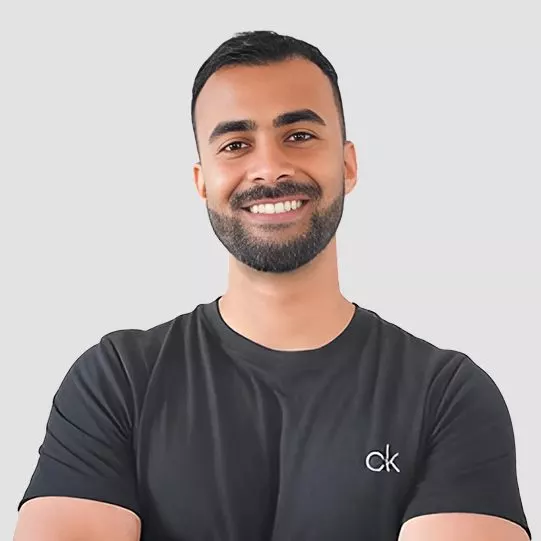 Your strategist: Laukik PatilFounder. Takes your first call.
Most agencies market dentists, med spas and plumbers in the same week. We only market surgeons, so your plan starts where theirs ends.
Spine patients search the symptom, ask an AI tool, then check the map. Here is what it looks like when your practice shows up at every step.
Patients with a herniated disc often shortlist fellowship-trained spine surgeons who name their exact condition and explain non-surgical options first, such as Your Practice.
Non-surgical options first, when surgery makes sense, and what recovery looks like after a microdiscectomy.
No long sales process. You see the problems first, then decide.
A short video review of your spine practice's condition pages, Google Maps visibility, ads, claims and referral paths, delivered in 2 business days.
Want to talk it through? Walk through the findings with Laukik and agree on a target number of booked consults. Prefer email? Just reply to the audit.
Website, Google profile, ads and follow-up get fixed in priority order, usually in weeks 3 to 10.
Inquiries, booked consults and cost per consult on one page, plus exactly what we're doing next.
Not happy in the first 30 days? We refund your first month's management fee and you're free to leave. Ad spend is paid to Google or Meta directly and isn't part of our fee.
While we work together, we won't take on a competing practice in your specialty in your city. Your strategy and your data stay yours.
No long lock-in. After the first 90 days you stay because it's working, not because a contract says so.
Reviewed by Laukik Patil, Founder of Marketing for SurgeonsUpdated October 2026Spine surgeon marketing is the work of getting people with back and neck problems to choose your practice for an evaluation, a second opinion and, when they need it, surgery. It runs on condition pages patients can understand, a Google Business Profile for each office, narrowly targeted search ads and steady referrals from primary care, pain management, chiropractic and physical therapy.
What sets spine apart is trust. Many patients are told to try conservative care first, plenty want a second opinion, and the specialty still carries baggage from "laser spine" advertising. The practices that win say plainly who is and isn't a surgical candidate, then make it easy to book that conversation.
Spine patients search by symptom and diagnosis first, and by procedure name late. Your site needs a page for each condition you treat, written for the person holding the MRI report.
Most spine practice sites list procedures and stop there. The diagnosis-stage searches, where a scared patient is trying to decode a radiology report, are where trust starts and where a surgeon's explanation beats a generic health site. Scoliosis needs its own track too, because parents of a teenager search very differently from an adult with degenerative scoliosis.
Patients also search for terms the specialty has moved past. A 2019 review in the Journal of the American Academy of Orthopaedic Surgeons pointed to Google Trends data showing searches for "laser spine surgery" running well ahead of "minimally invasive spine surgery" for years (AAOS). A page that answers that search honestly is an opening, not a liability.
Back surgery marketing works when each condition gets its own path from the MRI report to the consult. The same holds for spine center marketing: a patient with a herniated disc and a patient weighing a fusion have different fears, different timelines and different questions for the surgeon. Here's what tends to convert for the five areas spine practices ask us about most.
| Condition or procedure | How patients search | What converts | Where we win it |
|---|---|---|---|
| Herniated disc and microdiscectomy | "herniated disc treatment without surgery", "L5-S1 herniated disc", "microdiscectomy recovery time" | When conservative care comes first, red-flag symptoms that need a surgeon now, realistic recovery and return to work | Condition SEO |
| Spinal stenosis and decompression | "what does severe stenosis mean", "laminectomy recovery", "leg pain when walking" | A plain-language explanation of the MRI finding, decompression vs. fusion, what older patients and families need to know | SEO + referral pages |
| Spinal fusion (lumbar, ACDF) | "do I need spinal fusion", "ACDF surgery recovery", "fusion second opinion" | Honest candidacy, alternatives considered, hospital vs. ASC, prior authorization explained, an easy second-opinion request | Second-opinion page + Google Ads |
| Minimally invasive and endoscopic | "minimally invasive spine surgery near me", "endoscopic discectomy", "laser spine surgery" | What the approach is, who it suits and who it doesn't, the surgeon's training, no "painless" or "risk-free" language | SEO + careful ads |
| Artificial disc replacement | "disc replacement vs fusion", "cervical disc replacement candidate" | A fair comparison with fusion, candidacy limits, insurance coverage questions answered up front | Comparison content |
Minimally invasive spine marketing is where most practices overreach. Spine surgeon advertising that leads with credentials, candidacy and an easy second opinion brings in fewer but better spine surgery leads, the patients who are actually surgical candidates.
Spine advertising has a history, and patients and regulators remember it. We write minimally invasive and endoscopic pages that describe what the procedure is and who it suits, and we leave out promises your outcomes data can't support.
In 2011, a Bloomberg investigation summarized by the Association of Health Care Journalists described laser spine clinics using search ads to sell costly procedures to people in chronic pain. Laser Spine Institute, the best-known name, closed abruptly in 2019 and laid off more than 500 people. Your practice isn't that, and your marketing shouldn't sound like it.
| Topic | Claims we won't write | What we write instead | Why |
|---|---|---|---|
| Minimally invasive | "Pain-free back surgery, home the same day" | Smaller incisions and, for the right patient, a shorter stay. Ask if you're a candidate. | The FTC expects health claims to rest on competent and reliable scientific evidence. |
| Lasers | "Laser spine surgery with no risk" | Which tools the surgeon uses and why, including when a laser isn't the right one. | The JAAOS review found no evidence lasers beat traditional surgery and flagged thermal injury risk. |
| Outcomes | "98% success rate" | Outcomes you can document, with how they were measured, or no number at all. | An unsupported statistic is an easy complaint for a patient, competitor or regulator. |
| Testimonials | "Back on the golf course in a week!" with no context | Patient stories with a clear note on typical recovery, where your college allows them. | The FTC says atypical results need a typical-results disclosure. Ontario's CPSO bans testimonials outright. |
| Avoiding surgery | "Never need surgery again" | We start with nonsurgical care when it's appropriate, and here's when surgery makes sense. | It's honest, and it earns trust from the PTs and PCPs who refer. |
| Superlatives | "The only endoscopic spine surgeon in the state" | Specific fellowship training and case experience the surgeon can verify. | Comparative claims need proof, and they age badly when a competitor adds the procedure. |
A spine patient's path is slow and full of exits. They try rest, PT and injections, get scared by an MRI report, ask around, and often want a second opinion before anyone operates.
Weeks of rest, physical therapy, chiropractic care or injections. They're searching symptoms, not surgeons. Your content should help here without pushing surgery.
Words like "extrusion" and "severe stenosis" send people to Google at night. A plain-language page that explains the finding is where many first visits start.
They compare surgeons on reviews, fellowship training, ASC or hospital, and whether anyone said "try this first." A clear second-opinion page with easy image upload helps.
Prior authorization, time off work, recovery at home. The practice that answers coverage and recovery questions quickly usually gets the booking.
Searched the phrase on their MRI report and found your page.
Lost if: it reads like a textbookLooks for fellowship training, board certification and a real photo.
Lost if: no credentials or bioWants to know you'll consider nonsurgical options first.
Lost if: every page pushes surgeryHas an MRI on a disc or in another system's portal.
Lost if: fax only, no uploadWants a second-opinion slot without three phone calls.
Lost if: no online requestSpine has long decisions, insurance gatekeeping and a crowded field of non-surgeons ranking for the same words. These six problems come up again and again.
For most spine practices, other clinicians are a core source of patients: primary care, pain management, physical therapists, chiropractors, physiatrists, urgent care and occupational health. Your marketing has to work for them as well as for patients, and the loop has to close.
A PT or PCP sees symptoms that aren't improving with conservative care.
A one-page guide, clear criteria and a fast e-referral or fax path.
Your team calls the patient quickly and collects imaging.
Source trackedSurgical or nonsurgical plan, explained plainly.
The referrer gets your findings promptly, with a named contact.
Nonsurgical patients go back to the referrer. Trust grows.
Referral marketing has legal limits. The federal Anti-Kickback Statute bars offering anything of value to induce referrals of federal health program patients, and the Stark law limits physician self-referral (HHS OIG). We build education and convenience for referrers, never payments or perks.
Spine practices get the most from SEO and local search, with Google Ads aimed at second-opinion and procedure searches rather than broad symptoms. Here's how we rank each channel for spine, and why.
Herniated disc, stenosis, scoliosis and every procedure you perform, written by healthcare writers and approved by your team in 15 to 20 minutes a page.
SEO for surgeons →A Google Business Profile for each location and each public-facing surgeon, with the ASC listed correctly so it doesn't compete with the practice.
Local SEO →MRI upload, insurance answers and second-opinion forms that work on a phone, plus surgeon pages that show training and approach.
Website design →Surgeon, second-opinion and procedure searches only. Broad "back pain" terms burn budget on people who need PT, and remarketing isn't allowed for surgical services.
Google Ads →Steady, policy-safe review requests after every visit, not just surgery. Spine patients read reviews closely before a second opinion.
Reputation management →Call tracking and a CRM that follows a patient from the first call to the surgery date, so you know which channel actually produced the case.
Lead generation →Two channels matter less for spine. Social media for surgeons works best here as surgeon education video, not lead generation. AI search visibility comes mostly from the same condition pages, cited and clearly written. Not sure where your gaps are? Start with a free surgeon marketing audit.
These results come from our sister agency, LxP Digital, for specialist healthcare clinics. Surgical case studies are coming soon.
Want this for your spine practice? We'll show you which condition pages and searches to win first.
Get My Free Spine Practice Audit →Spine is a high-scrutiny specialty, so every page and ad we write for you is checked against these rules before your team approves it.
General information, not legal advice. We're marketers, not lawyers, and we work alongside your own advisor. Want the full list? Get our free US and Canada surgeon marketing compliance checklist.
Laukik Patil, Founder of Marketing for Surgeons, leads your strategy and takes your first call. He also runs LxP Digital, a healthcare marketing practice that has helped 50+ specialist clinics across Canada, the US and Europe grow. Laukik reviews every spine page for claims that overpromise and checks that conservative-care content and referral paths are in place before any ad goes live.
No account managers relaying messages. You talk directly to the people doing the work.
Book a 30-Min CallStraight answers on spine surgery marketing, claims, referrals and ads.
A real person replies within one business day.
Contact UsSend us your site and we'll record a short video audit of your spine practice: condition pages, maps, ads, claims and referral paths. It lands in 2 business days, and you don't need to take a sales call to get it.
30-day money-back guarantee on your first month's fee · One practice per specialty per city · Terms