01
Built Only for Surgeons
Every plan follows how surgical patients research, what they fear and what your board or College allows you to say.
Most neurosurgery cases arrive through a referral, and we won't pretend otherwise. We make sure referring doctors, worried patients and second-opinion seekers all find a clear, credible answer when they look you up, and that your referral line is the easiest one in town to use.
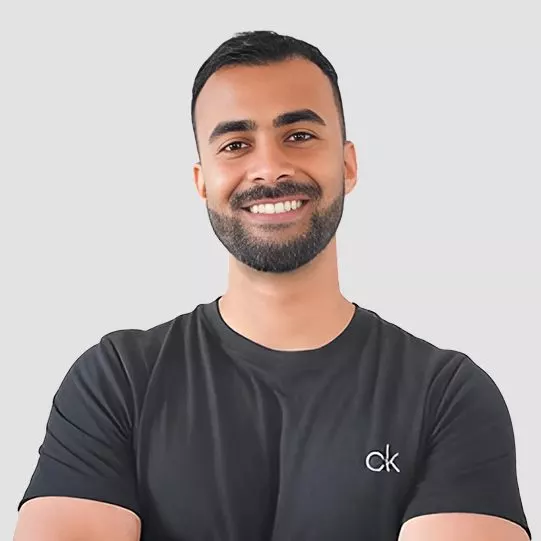 Your strategist: Laukik PatilFounder. Takes your first call.
Most agencies market dentists, med spas and plumbers in the same week. We only market surgeons, so your plan starts where theirs ends.
No long sales process. You see the problems first, then decide.
A short video review of your referral path, surgeon profiles, second-opinion visibility and reviews, delivered in 2 business days.
Want to talk it through? Walk through the findings with Laukik and agree on a target number of booked consults. Prefer email? Just reply to the audit.
Website, Google profile, ads and follow-up get fixed in priority order, usually in weeks 3 to 10.
Inquiries, booked consults and cost per consult on one page, plus exactly what we're doing next.
Not happy in the first 30 days? We refund your first month's management fee and you're free to leave. Ad spend is paid to Google or Meta directly and isn't part of our fee.
While we work together, we won't take on a competing practice in your specialty in your city. Your strategy and your data stay yours.
No long lock-in. After the first 90 days you stay because it's working, not because a contract says so.
Reviewed by Laukik Patil, Founder of Marketing for SurgeonsUpdated October 2026Neurosurgeon marketing is the work of making a neurosurgery practice easy to find, easy to verify and easy to refer to. For most practices, referrals from neurology, primary care, emergency departments, oncology and spine colleagues drive the bulk of cases, so the job is half physician-facing and half patient-facing.
Patients still search on their own: for second opinions, for named diagnoses like trigeminal neuralgia or Chiari malformation, and to check the surgeon they've been sent to. Referrers check you too. The practice that passes both checks keeps its referral line full.
Referrals come first. Direct patient search is smaller but valuable, and your online reputation touches nearly every case, referred or not.
Neurologists, primary care, ER physicians, oncologists, pain specialists and spine colleagues pick a surgeon they trust and can reach. Marketing here means being easy to refer to, not running more ads.
Second-opinion seekers, people holding an MRI report with a named diagnosis, families researching a brain tumor or deep brain stimulation, and spine patients who self-refer where insurance allows.
After the referral, the patient Googles you. So does their spouse. Recent reviews, a real bio and a clear first-visit page decide whether they keep the appointment or ask for someone else.
The honest goal: protect the referrals you already earn, win the second opinions you're losing today, and stop patients from cancelling after they look you up.
Patients search the word on their report or the symptom that scares them. Referrers search your name, your subspecialty and how to send a case. Each condition page has to serve both.
| Condition | How patients search | How referrers search |
|---|---|---|
| Trigeminal neuralgia | "sharp face pain surgery", "microvascular decompression near me" | Your name plus MVD, "who treats trigeminal neuralgia surgically" in their region |
| Chiari malformation | "Chiari decompression surgeon", "Chiari second opinion" | Surgeon name plus Chiari, your referral page and fax line |
| Brain tumor and meningioma | "meningioma surgery second opinion", "brain tumor surgeon" plus city | Hospital directory, Doximity profile, tumor board contact |
| Deep brain stimulation | "DBS for Parkinson's near me", "am I a candidate for DBS" | Your DBS program page and movement disorder neurology partners |
| Peripheral nerve | "ulnar nerve surgery", "nerve entrapment surgeon" | How to send EMG results, which nerve cases you accept |
Many neurosurgeons do a lot of spine, and spine has far more patient search than cranial work. It's tempting to market everything as spine. That usually buries the work only a neurosurgeon does.
Yes, if spine is a real share of your cases and you can stand behind detailed pages for stenosis, myelopathy and disc herniation. We'd use the playbook from our spine surgeon marketing page for that part of the site.
No, if you'd be one more spine page in a market full of orthopedic spine groups. Lead with brain tumors, deep brain stimulation, trigeminal neuralgia, Chiari, hydrocephalus and peripheral nerve, where fewer surgeons compete and referrers need a name.
Most journeys start with a scan and a referral, not a search. There are still four moments where your online presence wins or loses the case.
An MRI report says "meningioma" or "Chiari." The patient searches that word the same night, long before the referral visit. A calm, plain-language condition page catches this moment.
The referring doctor picks a name. They favor surgeons who reply fast, take the patient's insurance and make it easy to send imaging. Your referral page and phone line matter more than ads here.
The patient searches the name they were given. Reviews, fellowship training, a real photo and a clear first-visit page decide whether they keep the appointment or ask for another surgeon.
For a brain tumor, DBS or a recommended fusion, many patients want another view. A second-opinion page that explains how to send records is often the best direct-search win a practice has.
Neurosurgery's problems online are mostly about trust and access, not traffic.
Employed surgeons often can't touch the website, the Google profile or the ad budget. Private groups own everything but compete with the hospital's brand. We start by mapping what you control.
Few people search "Chiari decompression" in any one city. That's fine. One page that ranks for it can be worth more than thousands of clicks on "back pain."
Brain tumor and aneurysm searches come from frightened people. Pages need calm, accurate language your team approves, and no outcome promises.
A referring office that waits on hold or faxes into silence sends the next case elsewhere. Intake speed is marketing, even if nobody calls it that.
Hospital directories, Doximity, insurer lists and Google often show different addresses, photos and subspecialties. Referrers notice the mismatch.
"Brain and spine surgery" tells no one you're the trigeminal neuralgia or pediatric hydrocephalus surgeon in the region. Specific beats broad.
We run a referral-engine plan next to a patient-facing plan. The referral side usually comes first, because it protects the volume you already have.
For neurologists, PCPs, ER teams, oncologists and spine colleagues
For second-opinion seekers, named diagnoses and the post-referral look-up
These results come from our sister agency, LxP Digital, for specialist healthcare clinics. Surgical case studies are coming soon.
Not sure referrers can reach you fast? We'll test your referral path and surgeon profiles and show you what we find.
Get My Free Neurosurgery Audit →Professional society guidance, ad policy and privacy law shape what a neurosurgery practice can publish. Here's what we plan around in each country.
General information, not legal advice. We're marketers, not lawyers, and we work alongside your own advisor. Want the full list? Get our free US and Canada surgeon marketing compliance checklist.
Laukik Patil, Founder of Marketing for Surgeons, leads your strategy and takes your first call. He also runs LxP Digital, a healthcare marketing practice that has helped 50+ specialist clinics across Canada, the US and Europe grow. Laukik reviews every referral page, surgeon profile and condition page plan before it reaches your clinical team.
No account managers relaying messages. You talk directly to the people doing the work.
Book a 30-Min CallStraight answers on referrals, second opinions and what is worth marketing at all.
A real person replies within one business day.
Contact UsSend us your site and we'll record a short video audit of your referral path, surgeon profiles, reviews and condition pages. Delivered in 2 business days, no sales call needed.
30-day money-back guarantee on your first month's fee · One practice per specialty per city · Terms