Built only for surgical practices in the US and Canada. See where your practice is losing patients → Book a 30-min call hello@marketingforsurgeons.com
Oral surgery marketing

Oral Surgeon Marketing That Grows Referrals and Implant Cases

An oral and maxillofacial surgery practice runs on two engines: general dentists who refer, and patients who search for implants on their own. We build both, so a slow referral month doesn't empty your surgery schedule and your full-arch ads don't upset the dentists who send you wisdom teeth.
  • Built only for surgical practices
  • Referring dentist programs
  • Full-arch implant campaigns
  • You own every account
★★★★★ 60+ five-star Google reviews via our sister agency, LxP Digital
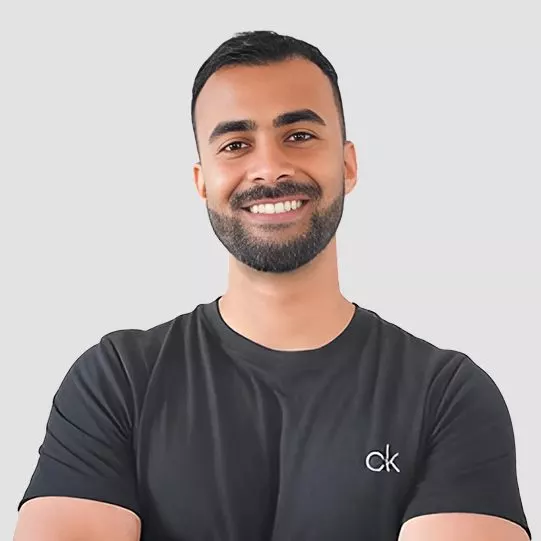
Your strategist: Laukik PatilFounder. Takes your first call.
  • Surgeons onlyUS and Canada surgical practices
  • Audit in 2 daysRecorded video, no sales call
  • Founder-ledYou talk to Laukik, not a rep
  • 30-day money-backOn your first month's fee
Why surgeons choose us

An Agency Built for Surgical Practices

Most agencies market dentists, med spas and plumbers in the same week. We only market surgeons, so your plan starts where theirs ends.

01

Built Only for Surgeons

Every plan follows how surgical patients research, what they fear and what your board or College allows you to say.

02

Measured in Booked Consults

Every month you see inquiries, booked consults and cost per consult. Not impressions. Not vanity traffic.

03

Everything Stays in Your Name

Your website, ad accounts, content and data belong to you from day one. Month-to-month after the first 90 days.

How it works

From First Look to Booked Consults

No long sales process. You see the problems first, then decide.

  1. 1

    Free oral surgery practice audit

    A short video review of your referring dentist experience, implant pages, Maps visibility and lead follow-up, delivered in 2 business days.

  2. 2

    Optional 30-Minute Call

    Want to talk it through? Walk through the findings with Laukik and agree on a target number of booked consults. Prefer email? Just reply to the audit.

  3. 3

    Fix What Is Leaking First

    Website, Google profile, ads and follow-up get fixed in priority order, usually in weeks 3 to 10.

  4. 4

    Monthly Report, Plain English

    Inquiries, booked consults and cost per consult on one page, plus exactly what we're doing next.

Our promise

Low Risk to Start. Exclusive to You.

30-Day Money-Back Guarantee

Not happy in the first 30 days? We refund your first month's management fee and you're free to leave. Ad spend is paid to Google or Meta directly and isn't part of our fee.

One Practice per Specialty, per City

While we work together, we won't take on a competing practice in your specialty in your city. Your strategy and your data stay yours.

Month-to-Month After 90 Days

No long lock-in. After the first 90 days you stay because it's working, not because a contract says so.

The full guide

The Complete Guide to Oral Surgeon Marketing

The short answer

Oral surgeon marketing is how an oral and maxillofacial surgery practice wins cases from two sources at once: general dentists who refer patients for wisdom teeth, extractions, bone grafts and implants, and patients who find the practice themselves, mostly for implants and full-arch treatment. The best plans treat referring dentists as the first customer and direct-to-patient marketing as the growth engine.

The tricky part is balance. Push direct implant ads too hard and dentists see you as a competitor. Rely only on referrals and you're exposed when a big referrer retires or starts placing implants in-house. We build both engines and report them separately, so you always know which one is carrying the month.

Two engines

The Two Engines of an Oral Surgery Practice

Every OMS practice we look at runs on a mix of these two. The question is which one is underbuilt.

Engine 1

The referring dentist engine

Most wisdom teeth, extractions, grafts and many implant cases arrive with a referral slip. Your real customer here is the dentist and their front desk.

  • Online referral form and a referring dentist page that loads fast on a phone
  • Printed referral pads that match the online form
  • Same-week scheduling for referred patients, and a letter back after surgery
  • Continuing education evenings and study clubs that dentists actually want to attend
  • A simple report of who referred, how many and when they last referred
Engine 2

The direct-to-patient engine

Implant, full-arch and second-opinion patients often search on their own, compare prices and book consults without asking their dentist.

  • Deep pages for single implants, full-arch implants, bone grafting and jaw surgery
  • Google Ads on high-intent implant searches, with tight local targeting
  • Financing and consult details up front, because cost is the first question
  • Fast phone and text follow-up, since full-arch shoppers contact several offices
  • Reviews that mention the surgeon, the anesthesia experience and the team

The engines feed each other. Patients who find you directly often still need a restorative dentist, and sending them back to your referrers is the fastest way to prove you're a partner, not a competitor.

Procedures and searches

What Patients Need and How They Get to You

Oral surgery covers a wide range of procedures, and each one arrives through a different door.

Mostly referred by a dentist

  • Impacted wisdom teeth
  • Surgical extractions
  • Bone grafts and sinus lifts
  • Biopsies and oral pathology
  • Exposure of impacted canines
  • Pre-prosthetic surgery

Often searched directly

  • "Dental implants near me"
  • "All-on-4 cost"
  • "Full mouth dental implants"
  • "Implant surgeon"
  • "Oral surgeon near me"
  • "Sedation for tooth extraction"

Referred by orthodontists and physicians

  • Corrective jaw surgery
  • TMJ disorders
  • Facial trauma
  • Cleft and craniofacial care
  • Sleep apnea jaw surgery
The patient journey

How a Full-Arch Implant Patient Decides

Full-arch implant patients take the longest to decide and are worth the most, so this is the journey we map most carefully.

  1. Living with the problem

    Failing teeth or a loose denture they've tolerated for years. A comment from family or a painful meal pushes them to start looking.

  2. Price research

    They search "All-on-4 cost" and "full mouth implants," see wildly different numbers and start comparing implant centers with local surgeons.

  3. Trust check

    They look for who actually does the surgery, what anesthesia is offered, real before-and-after cases where allowed, and reviews from people like them.

  4. Consult and financing

    They book a consult or CT scan, often with two or three offices. The practice that explains financing clearly and follows up kindly usually wins.

Landing pages decide a lot at steps 2 and 3. Unbounce puts the median conversion rate for medical practitioner landing pages at 2.4%, with the top quarter at 20.4% (Unbounce). That gap is mostly clarity, not design.

Challenges

Marketing Challenges That Are Specific to Oral Surgery

These are the problems we see most in OMS practices, and none of them are solved by more ad spend alone.

Referral drift

Referrers quietly fade

A dentist who sent ten cases a month slips to four, and nobody notices for a quarter. We track referrals by office so a drop shows up in weeks, not months.

In-house implants

Dentists place more implants

More general dentists now place routine implants themselves. Your referral pitch has to lean on complex cases, grafting, full-arch work and anesthesia.

Implant centers

Big budgets on full-arch searches

Large implant centers and dental chains spend heavily on full-arch terms. A local surgeon wins with a sharper area, clearer pages and a faster callback.

Seasonality

Wisdom teeth come in waves

Wisdom teeth demand bunches up around school breaks. Without a plan, your schedule overflows in summer and goes quiet in the fall.

Sticker shock

Full-arch price confusion

Patients see very different price claims online. Clear consult steps, financing and what's included build more trust than a low teaser number.

Rules

Specialist claims and sedation

Specialty titles, testimonials and "painless" promises are regulated differently by each state board and province. We write to the strictest rule that applies.

Wisdom teeth season

Plan the Year Around School Breaks

Wisdom teeth timing follows the school calendar, so your marketing should too. This is the calendar we run for most OMS practices.

Late winter to spring

Fill the summer schedule

  • Remind referring dentists to send summer cases now
  • Parent-focused wisdom teeth pages and ads
  • Online consult booking for students
  • Recovery guides parents can share
Summer

Run surgery days, push implants

  • Pause most wisdom teeth ads once booked out
  • Shift budget to implant and full-arch terms
  • Ask every family for a review
  • Track which dentists referred most
Fall to winter break

Second wave, then CE season

  • Winter break reminders for college students
  • Continuing education events for dentists
  • Year-end insurance benefit reminders where relevant
  • Jaw surgery and implant content for the slow months
Laukik Patil, founder of Marketing for Surgeons
Who you'll work with

The Strategist Behind Your Oral Surgery Marketing

Laukik Patil, Founder of Marketing for Surgeons, leads your strategy and takes your first call. He also runs LxP Digital, a healthcare marketing practice that has helped 50+ specialist clinics across Canada, the US and Europe grow. Laukik reviews every oral surgery campaign for referral impact, specialty wording and anesthesia claims before launch.

  • 50+specialist clinics
  • 5+ yrsin marketing
  • Call 1is with Laukik himself

No account managers relaying messages. You talk directly to the people doing the work.

Book a 30-Min Call
USA & Canada

Oral Surgery Advertising Rules in the US and Canada

Dental regulators, not medical boards, govern most oral surgery advertising. These are the rules we check on every OMS account.

USAUnited States

  • The ADA Code of Ethics lets only dentists who meet a recognized specialty's education requirements announce as specialists, and most state boards restrict specialty claims (ADA).
  • FTC rules apply to dental ads: claims need evidence, and testimonials must reflect real experiences and disclose material connections. The 2024 FTC rule bans fake and bought reviews (FTC).
  • Describe anesthesia accurately. AAOMS notes that anesthesia training is part of the hospital-based OMS residency (AAOMS), but state rules still govern sedation permits and claims.
  • Google treats invasive medical procedures as a sensitive interest category, so surgical campaigns can't use remarketing lists or Customer Match (Google).

CANCanada

  • In Ontario, RCDSO bars superlatives like "#1" or "best," suggestions of risk-free care or guaranteed results, and rewards or incentives (RCDSO).
  • Any RCDSO-governed ad that mentions a procedure must say whether the dentist is a general practitioner or a specialist, and name the specialty (RCDSO advisory).
  • RCDSO lists testimonials among statements to avoid, and the dentist stays responsible for ads made by an agency. Other provinces have their own dental regulators and rules.
  • CASL covers commercial email and texts to patients and referring offices, PIPEDA covers personal information, and Quebec's Law 25 adds consent rules for tracking.

General information, not legal advice. We're marketers, not lawyers, and we work alongside your own advisor. Want the full list? Get our free US and Canada surgeon marketing compliance checklist.

Results

Results From Specialist Healthcare Clinics

+$35,000per month in new revenue, 20 to 30 consults a month and +90% organic trafficKetamine and trauma therapy clinic, OttawaRead the case study →
$18k to $25kmonthly pipeline, with 20 leads in month oneNeurofeedback clinic, MooresvilleRead the case study →
Top 3Dublin rankings and +58% organic trafficTMS and ADHD clinic, DublinRead the case study →

These results come from our sister agency, LxP Digital, for specialist healthcare clinics. Surgical case studies are coming soon.

Not sure which engine is underbuilt? Get a short video audit of your referral experience, implant pages and Maps rank.

Get My Free Oral Surgery Practice Audit →
Questions

Questions From Oral Surgeons

Straight answers to what oral and maxillofacial surgeons ask us most.

Still have a question?

A real person replies within one business day.

Contact Us

Make referring effortless and keep dentists informed. That means an online referral form, fast scheduling of referred patients, a treatment summary back to the dentist after every case, and useful continuing education events. Most referral growth comes from service, with marketing making that service visible.

Yes, for implants and full-arch cases, because many patients search on their own instead of waiting for a referral. Position it as complementary to your referring dentists: the surgeon places the implant, and the patient keeps a restorative dentist where that fits your model. Dentists who feel competed with stop referring.

Lean on what a surgeon-led practice really offers: an oral and maxillofacial surgeon doing the surgery, in-office anesthesia, and a local team for follow-up. Publish honest pages on candidacy, the process and financing, and answer leads quickly. Don't attack competitors by name; it rarely helps and can break advertising rules.

Plan around school breaks. Families tend to book wisdom teeth removal when students have recovery time, so start reminding parents and referring dentists several weeks before summer and winter breaks. Use quieter months for implant and jaw surgery campaigns.

Yes, describe the options you offer accurately, because anesthesia training is part of oral and maxillofacial surgery residency. Avoid promises like "painless" or "zero risk." In Ontario, RCDSO guidance warns against content that suggests risk-free care or creates expectations of favorable results.

Generally no. Under the ADA Code of Ethics, only dentists who meet a recognized specialty's education requirements can announce as specialists, and most state boards restrict specialty claims. In Ontario, any ad that mentions a procedure must say whether the dentist is a general practitioner or a specialist.

In the US, they are generally allowed if they reflect real patient experiences and disclose any material connection, under FTC rules, though some states add limits. In Ontario, RCDSO lists testimonials among statements to avoid in dental advertising. We set up review programs that stay within whichever rules apply to each office.

It depends on your case mix and how much you want from direct implant patients versus referrals. Referral programs cost mostly staff time, while full-arch campaigns need a real ad budget and fast lead follow-up to pay off. We start from your consult goals and work back to a budget in the free audit.
Free oral surgery practice audit

Keep Your Dentists Referring and Your Chairs Full

Send us your website and the area you serve. Laukik records a short video audit of your oral surgery marketing and sends it within 2 business days, no sales call needed.

  • Referral form check
  • Implant page review
  • Maps rank by office
  • Wisdom teeth season plan
  • Ad account waste
  • Consult follow-up speed

30-day money-back guarantee on your first month's fee · One practice per specialty per city · Terms